
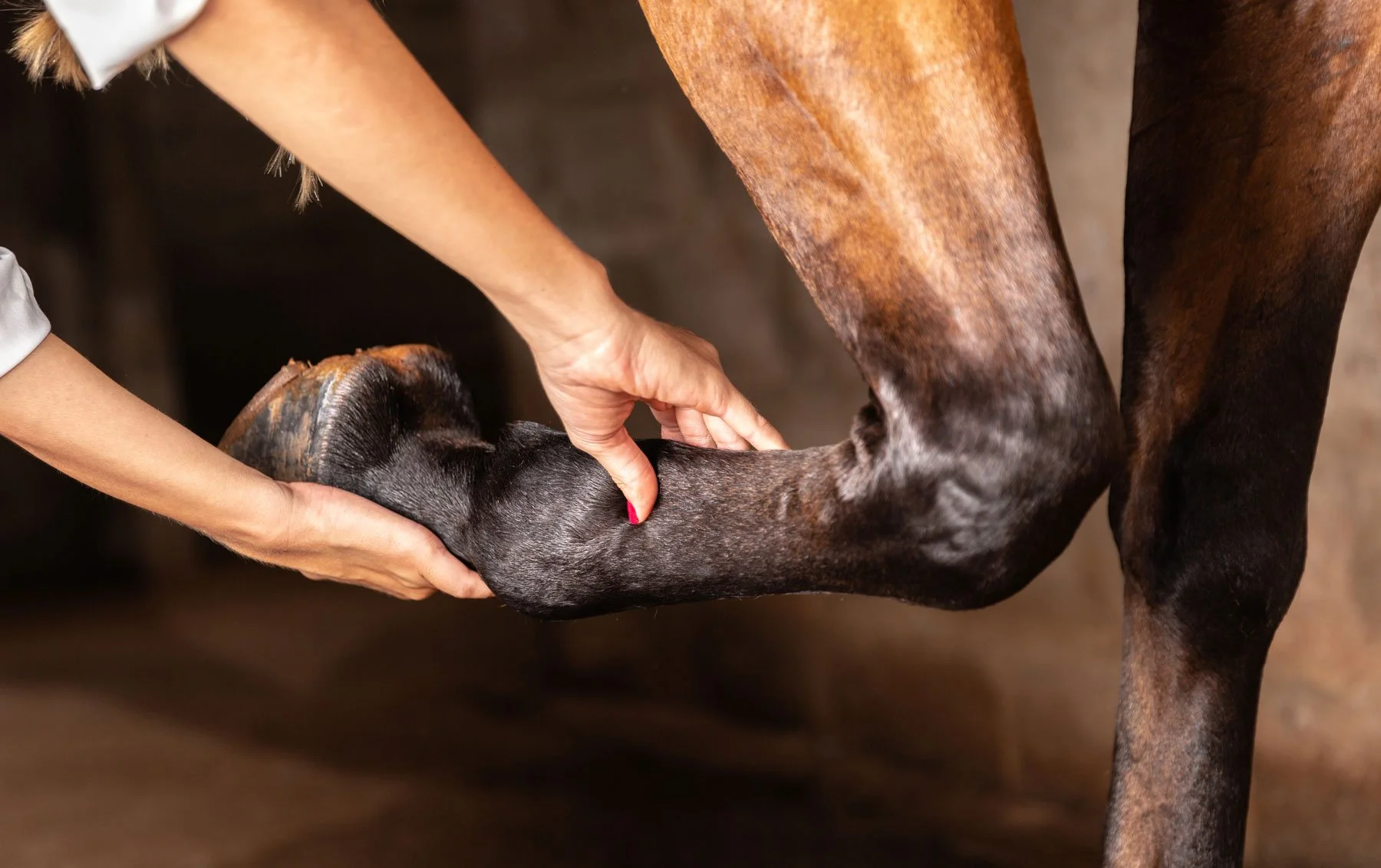
Interested in joining our internship program?
Students entering our program must be 12 years old and have some basic horse experience. Camps, riding lessons, or informal backyard riding experience is enough. Each student will be evaluated to determine which start level is appropriate and then we will train you from there! You must reach at least level 3 training and be 16 years old to be considered for a mentorship position (paid position supervising interns while continuing your education).
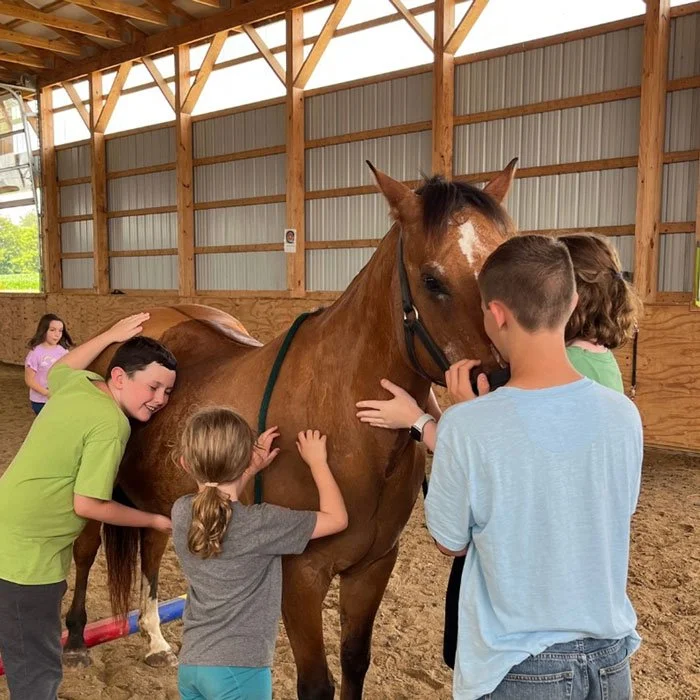
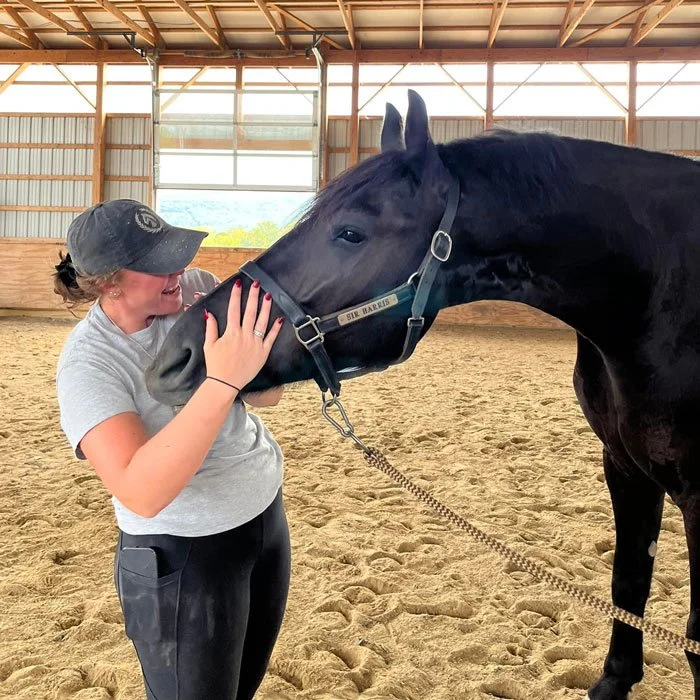
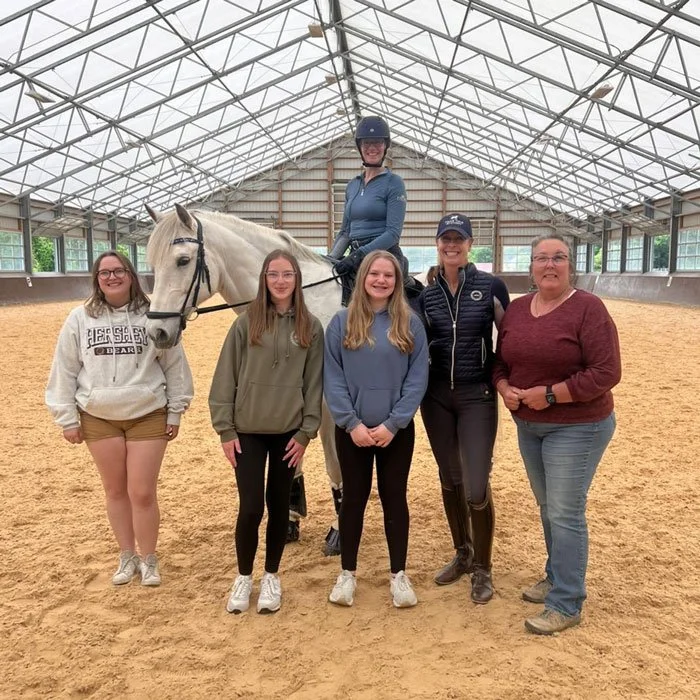
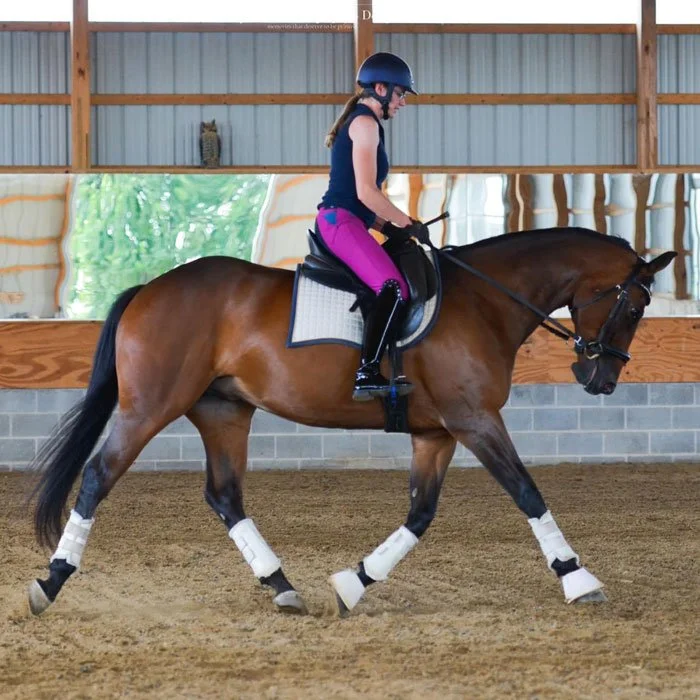
Level 1
Prerequisites for Level 1:
Students must be 12 years old, have basic horse experience (camps, beginner lessons, backyard horse ownership), be able to read directions and write daily notes clearly.
Objectives:
Students will be able to feed grain with supplements and medicines accurately and efficiently
Students will be able to feed and adjust hay amounts.
Students will be able to recognize quality hay vs. moldy or unsafe hay.
Students will be able to blanket and turnout according to a chart while making independent, correct decisions
Students will be able to handle and lead horses safely two at a time.
Students will be able to clean stalls and maintain the cleanliness of a professional barn.
Requirements - students must participate in intern weekly riding lessons.
Level 2
Prerequisites for Level 2:
Students must be at least 12 years old and meet all the objectives of Level 1.
Objectives:
Students will be able to recognize and treat common injuries and illnesses (colic, cuts, pulled muscles, strained tendons).
Students will be able to recognize hazardous materials or facility issues.
Students will be able to repair/ build fence and other minor construction projects (hanging saddle racks, repairing gates, etc.)
Students will be able to clean tack and prepare horses for a schooling show (beginning braiding and show grooming).
Students will be able to maintain the property around the barns (recognize poisonous weeds, weedeat and beautify the grounds, prepare for weather events, etc.).
Students will be able to organize and maintain inventory of equipment, supplies, and feeds.
Students will be able to follow/maintain a customized treatment plan and the paperwork required with it.
Requirements - Students must participate in intern weekly riding lessons and purchase textbooks for this level.
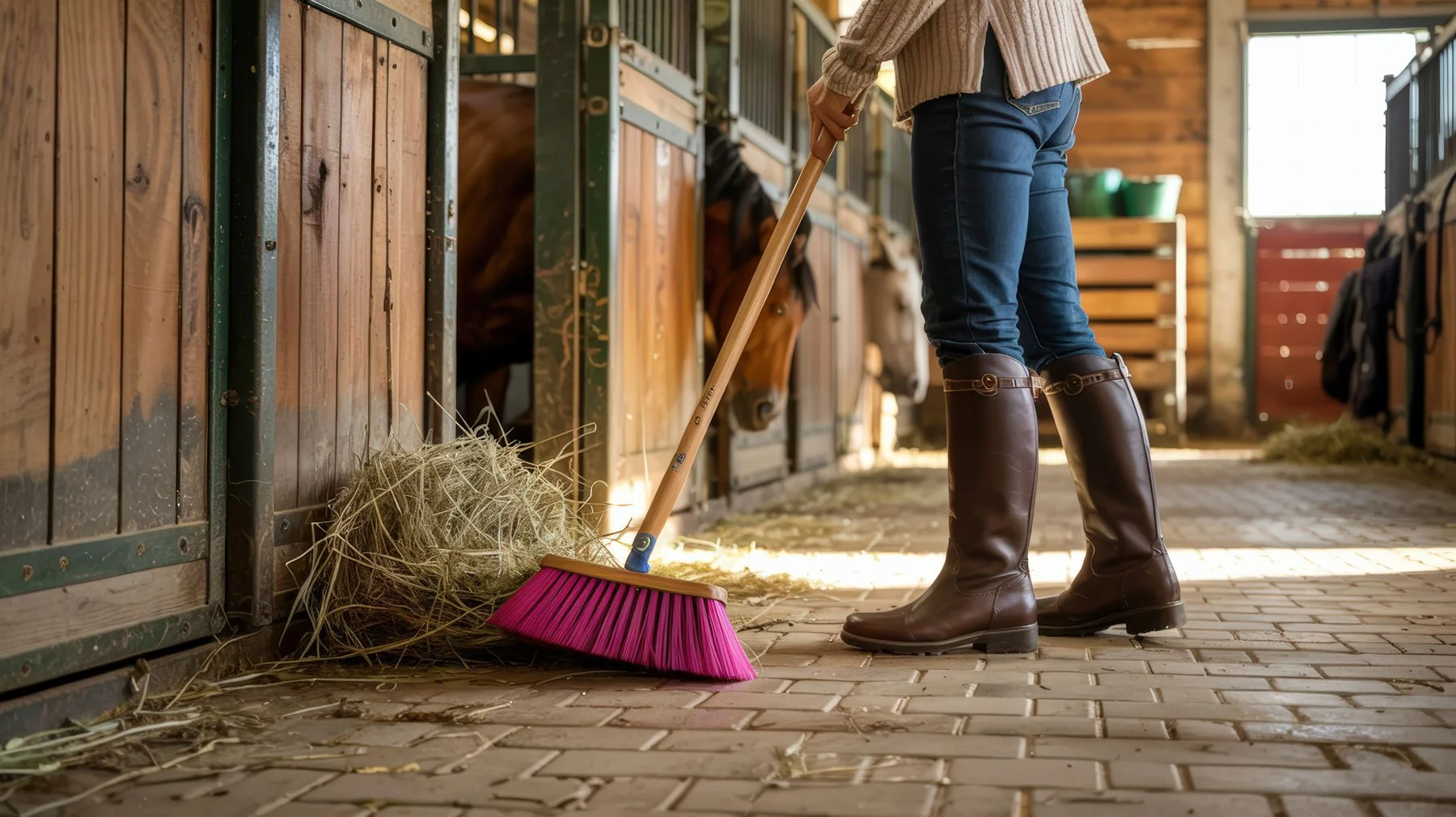
Level 3
Prerequisites for level 3:
Students must be at least 12 years old and meet all the objectives of Level 2.
Objectives:
Students will be able to perform first aid for horses and/or humans.
Students will track treatments and develop rehab plans for horses.
Students will be able to communicate clearly with other staff via electronic, paper, or verbal protocols.
Students will be able to maintain the pastures and arenas safely and effectively using the equipment available (tractor, drag, side by side, etc.)
Students will be able to assess and adjust horse dietary needs as needed.
Students will be able to prepare for a recognized dressage show (horse, tack, facility and trailer preparation).
Students will be able to positively communicate with boarders to eliminate drama and confusion in the barn.
Requirements - Students must participate in intern weekly riding lessons and purchase textbooks for this level.
Level 4
Prerequisites for level 4:
Students must be at least 12 years old and meet all the objectives of Level 3.
Objectives:
Students will be able to create and implement injury/illness prevention protocols.
Students will be able to create and implement facility management schedules and protocols
Students will be able to maintain equipment and arenas.
Students will be able to prepare a horse for a rated show - including tack.
Students will be able to communicate clearly with the vet and know when a vet call is needed.
Students will be able to recognize, prevent, and treat most common illness (laminitis, bowed tendons, abscesses, thrush, choke, etc.)
Students will be able to create and implement a horse fitness plan with riding requirements.
Students will be able to teach beginner horsemanship (leading, grooming, basic position while riding) while keeping clients safe and happy.
Requirements - Students must participate in intern weekly riding lessons and purchase textbooks for this level.